2 hours ago
Latest Updates
Featured Posts
Get in Touch
Location:
123 Innovation Street
Tech District, CA 94105
123 Innovation Street
Tech District, CA 94105
Email:
[email protected]
[email protected]
Phone:
+1 (234) 567-890
+1 (234) 567-890
Flavorful Kebabs, Aromatic Biryani along with Much More: An Indian Metropolis Gains Recognition on Unesco Gastronomy List.
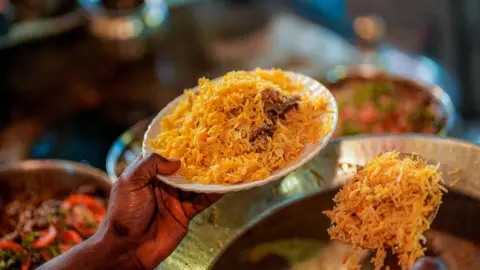
Tempting kebabs, scented biryani, and airy, ethereal desserts.
The northern Indian city of Lucknow has forever been a food lovers' paradise, with residents and visitors equally swearing by its superb cuisine.
A Global Honor
Last month, UNESCO designated it as a City of Gastronomy within its Creative Cities Network – including it in a select list of world cities and igniting hopes that it will spotlight Lucknow's exceptional food. With this title, it enters a global network of over 400 cities across over 100 countries committed to promoting "artistic expression as a key factor of sustainable urban development".
The honor "demonstrates its deep-rooted gastronomic legacy and dynamic gastronomic culture," according to a representative from UNESCO's Regional Office for South Asia.
Lucknow is only the second Indian city – following Hyderabad, which was selected in 2019 – to find a place in this highly sought-after list of 70 global destinations around the world.
An Urban Center with a Culinary Soul
The accolade for this venerable city is little surprise to its residents or dedicated food lovers. Many share the sentiment that it is "better late than never".
With the UNESCO designation, this adored, lively, and diverse city – the capital of India's largest state – is finally in the limelight for what has consistently shaped its essence: an unparalleled devotion for food.
"'What's for dinner, how should it be prepared' is a ongoing discussion from waking up until going to bed in many homes," notes a local cultural expert. "And you are often evaluated by the standard of food that is produced in your kitchen."
A Royal Culinary Legacy
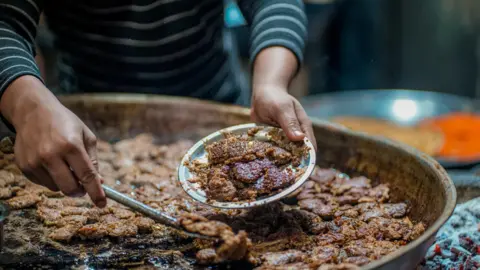
The Nawabi City – as it's widely known after its historic affluent Muslim rulers – is noted for its succulent kebabs and a singular take on biryani that were created, refined, and elevated to sublime levels in their opulent kitchens.
These royal kitchens were centers of food experimentation, merging Persian and local Indian styles to create what became known as the food of Awadh.
It was in this era that Lucknow's most famous kebabs were created. As the tale is told that the galouti kebab was created to cater to an ageing nawab who had lost his teeth. His cooks minced the meat with raw papaya, saffron, and spices and made it so silky that it needed no chewing.
But perhaps the greatest contribution of the chefs of Awadh was the slow-cooking Dum pukht technique, where food is cooked on a gentle, leisurely heat, with the container's cover tightly sealed with dough.
A Diverse Culinary Landscape
In addition to the obvious kebabs and biryani, the cooks also developed a vast array of dishes that included kormas (rich curries), sheermal (saffron-infused flatbread), and shahi tukda (a sweet bread pudding).
However, Lucknow is not only about kebabs and biryani – the region is also a vegetarian's paradise.
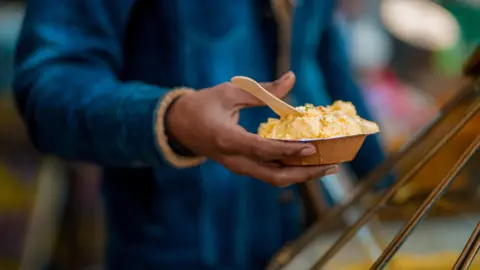
The local Baniya community's cuisine doesn't just celebrates fresh harvests but also gives the city its exquisitely crafted Indian desserts, sweets, and distinctive street food, like chaat – spicy fried snacks.
Hidden Gems and Legacy Eateries
Almost on many street corners, there are small establishments and carts – little-known treasures that are extremely favored by the locals.
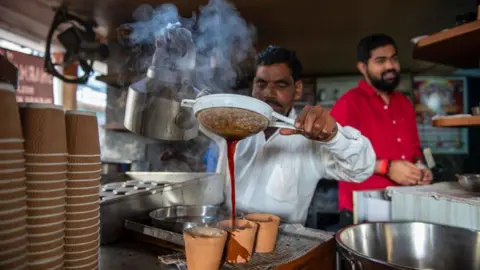
In the central district of Hazratganj, huge crowds start assembling from early morning at a famous tea stall to get a steaming cup of spiced tea with milk, presented in kulhads, along with incredibly soft buns lathered with freshly churned white butter.
For breakfast, one can head to a unpretentious joint operating in the historic quarter of Aminabad. Almost 150 years after it was established, the place is still highly popular for its freshly fried kachoris (fried bread stuffed with lentils) and jalebis (crispy, syrup-soaked sweets).
Ensuring Legacy Continues
The city also presents remarkable seasonal delights, such as makkhan malai, a cloud-like dessert found in the winter. The process of making it is intricate and involved. The cook whisks the milk and then sets it out at night, allowing the dew to give it its amazing frothy texture.
On cold mornings, street vendors are often seen in old city areas like Aminabad and Chowk. Many though say that their children are unwilling to master the skill.
A renowned chef from Lucknow has often said that the city's profound food legacy positions it right on top of the Indian street food experience. The real value from the UNESCO recognition, however, will occur only if Lucknow can now build recognition about its lesser-known eateries.
Every dish in Lucknow comes with a history – shaped by multi-generational food businesses, from modest street carts to bustling restaurants, and guarded family recipes.
The international acclaim, it is anticipated, will motivate more people globally to discover these tales and experience the city to delight in the food wonders of Lucknow.

William Elliott
Maya Chen is a seasoned gaming journalist with over a decade of experience covering video game releases and industry trends.

Sponsored News
News
This Spooky-Cute Puzzler Serves as the Ideal Substitute to Frightening Flicks
William Elliott
04 Oct 2026
News
Hazbin Hotel's Showrunner Has Seen Your Season 2 Bingo Cards — With Some Good News
William Elliott
04 Oct 2026
News
Pentagon Investigation Concludes Defense Secretary Put Military Personnel in Jeopardy with Signal Chat.
William Elliott
04 Oct 2026
News
The Key for a Flawless Kip: When, Where & Duration?
William Elliott
04 Oct 2026
News
The Turin Giants Appoint Previous Italy Manager the Experienced Gaffer
William Elliott
04 Oct 2026
News
Demon Slayer Economics: The Way This Japanese Animation Phenomenon Transformed Into a Box Office Rescuer.
William Elliott
03 Oct 2026